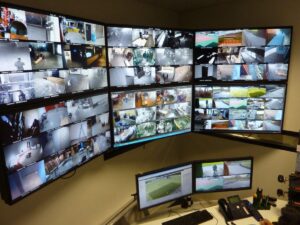

Installing CCTV in your business or home isn’t just about plugging in a few cameras. In 2025, with advanced surveillance technology and stricter data protection laws, the process requires careful planning, compliance, and professional expertise. Whether you’re a homeowner securing your property or a facilities manager responsible for commercial premises, this guide walks you through everything you need to know before installing CCTV systems in the UK.
Why Install CCTV? How It Strengthens Security and Peace of Mind
CCTV (Closed-Circuit Television) remains one of the most effective deterrents against theft, vandalism, and unauthorised access. Its benefits include:
- Acts as a visual deterrent to intruders and vandals
- Provides real-time and recorded evidence
- Enhances staff, customer, and visitor safety
- Integrates with alarm and access control systems
- Improves operational visibility for managers
What Are the Legal and Regulatory Requirements in the UK?
1. Data Protection Act 2018 and UK GDPR
- Register with the ICO
- Display CCTV signage
- Have a data retention policy (usually 30 days)
- Secure footage with access control and encryption
2. Surveillance Camera Code of Practice (Protection of Freedoms Act 2012)
This ensures CCTV is used responsibly, proportionately, and only when necessary.
3. Employee Monitoring Rules
- Must be justified and proportionate
- Must be communicated properly
- Covert monitoring allowed only in rare legal cases
4. Domestic CCTV
Homeowners must follow GDPR if cameras capture public areas or neighbour properties.
British Standards You Should Follow
| Standard | Focus | Why It Matters |
|---|---|---|
| BS EN 62676 Series | CCTV design & installation | Ensures image quality & coverage |
| BS 8418:2015+A1:2021 | Detector-activated systems | Required for police response |
| BS 7958:2016 | CCTV control room management | Ensures proper evidence handling |
| NSI NCP 104 (Issue 3) | Best practice for installation | Ensures reliability & safety |
Planning Your CCTV Installation: Step-by-Step
Step 1 – Define Your Operational Requirement (OR)
- Identify main risks
- Define required coverage areas
- Specify needed image quality (recognition/identification)
Step 2 – Conduct a Site Survey
- Check lighting & blind spots
- Assess mounting points
- Review cable routes & network capacity
Step 3 – Choose the Right Equipment
- Fixed or dome cameras
- PTZ cameras
- IP CCTV systems
- Wireless cameras
Step 4 – Address Privacy and Compliance
- Avoid filming neighbour properties
- Install clear signage
- Retain footage only as needed
- Secure access with encryption
Step 5 – Design Monitoring and Storage
- NVR/DVR storage
- Cloud recording
- Encrypted transmission paths
Installation and Commissioning: Best Practices
- Mount cameras with tamper-proof fixings
- Verify camera coverage
- Test playback and failover
- Installer should provide commissioning certificate
Maintenance and Ongoing Checks
Weekly
- Check camera display
- Clean lenses
Monthly
- Test recording & playback
Annually
- Full service check (required by BS EN 62676-4)
- Review system layout
Cost and ROI: What Should You Expect to Pay in 2025?
| Type | Typical Cost (Installed) |
|---|---|
| Home wireless system (2–4 cameras) | £250 – £800 |
| Wired IP system (4–8 cameras) | £800 – £2,000 |
| Commercial system (8–16 cameras) | £2,000 – £10,000+ |
| Cloud storage | £10 – £50/month |
Common Mistakes to Avoid
- Mounting cameras too high/low
- Ignoring lighting
- Non-compliance with data laws
- Choosing unqualified installers
- Skipping maintenance
Emerging CCTV Trends for 2025 and Beyond
- AI-powered analytics
- Smart integrations
- Renewable-powered CCTV
- Cybersecure cloud systems
Final Checklist Before You Go Live
- Defined operational requirement?
- Is installer NSI/SSAIB certified?
- Correct camera positioning?
- Compliance with all standards?
- CCTV signage installed?
- Data retention policy defined?
- Maintenance plan ready?
Conclusion
Installing CCTV is more than buying cameras — it’s about building a compliant, effective, and intelligent surveillance network. At Spycon Security Ltd, we design, install, and maintain CCTV systems that meet BS 8418, BS EN 62676, and UK GDPR standards. Our certified engineers provide nationwide service, risk assessments, and 24/7 monitoring to keep your site secure day and night.
Frequently Asked Questions (FAQs)
1. Is it legal to install CCTV on my business premises in the UK?
Yes — as long as it complies with UK GDPR, the Data Protection Act 2018, and the Surveillance Camera Code of Practice.
2. How long can I keep CCTV footage?
Typically up to 30 days unless needed for investigations.
3. Do I need a professional installer?
Yes. Certified NSI/SSAIB installers ensure compliance and reliability.
4. Can I use CCTV at home?
Yes — but avoid filming beyond your boundary unless necessary.
5. How often should CCTV be serviced?
At least once annually, plus regular visual checks.