

Spycon Security Ltd
Fire extinguishers are your first-aid firefighting equipment — they’re designed to control a small fire in its early stages, protect escape routes, and reduce damage while evacuation begins.
We regularly find:
These are exactly the issues inspectors and insurers pick up first.
At Spycon Security Ltd, we provide complete fire extinguisher services across London, including supply, installation, commissioning, annual servicing, extended servicing, and certification. Everything we do is aligned with UK fire safety law and British Standards, so you stay compliant and inspection-ready.
📞 0204 600 4703
📧 info@spyconsecurity.co.uk
Fire extinguisher servicing London • fire extinguisher installation London • annual fire extinguisher service London • fire extinguisher certificate London • landlord fire extinguishers London • HMO fire extinguisher servicing • commercial fire extinguishers London • BS 5306 extinguisher servicing • CO2 fire extinguisher testing London • wet chemical extinguisher kitchen London
BS 5306-3 guidance supports regular visual checks by the Responsible Person (or appointed staff) to confirm extinguishers are present, accessible, not damaged/tampered, and within pressure/weight tolerance.
A competent technician should service extinguishers every 12 months with documentation for your fire safety file and insurer.
Common servicing intervals (by extinguisher type) include:
(Where discharge testing isn’t suitable for your site, we’ll advise the best compliant route—replacement, swap-out, or off-site servicing.)
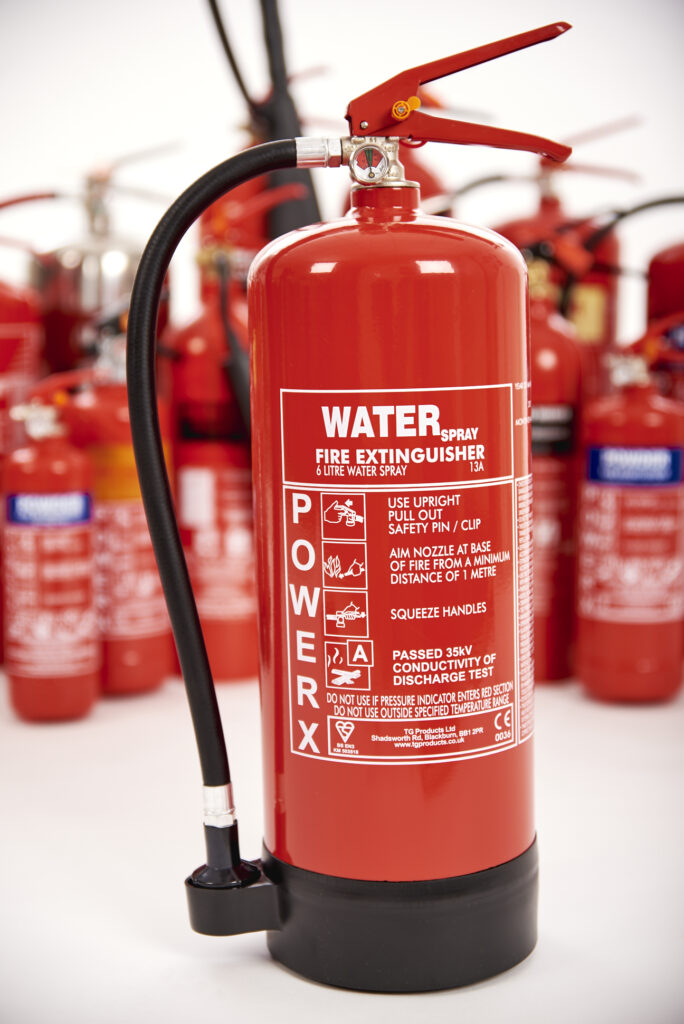
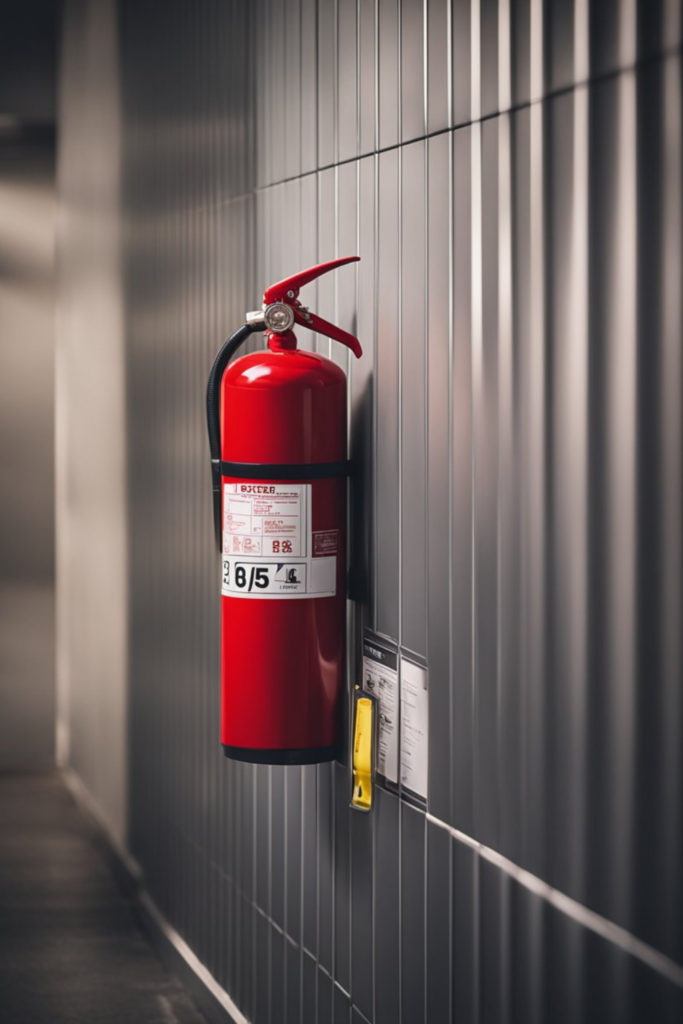
Correct placement matters as much as the extinguisher type.
Typical BS 5306-8 principles include:
We’ll design the layout based on your risk profile (office vs restaurant vs warehouse vs HMO) and produce a clear schedule for your compliance records.
In most workplaces and shared/common parts of buildings, the Responsible Person must provide appropriate firefighting equipment and ensure it’s maintained. Article 13 covers firefighting equipment and Article 17 covers maintenance duties.
This replaced the older fire certificate regime (including the Fire Precautions Act 1971) with a risk-based duty on the person in control of the premises.
Even when the specific legal wording is broader than “extinguishers”, the newer fire safety reforms increase expectations around documentation, competence, and ongoing maintenance:
If you’re managing HMOs, blocks of flats, or commercial premises in London, having the correct extinguishers and the servicing records is part of demonstrating control of fire risk.
We work in line with the BS 5306 suite:
The 2023 revision introduced changes including guidance that can allow a single suitably rated extinguisher on smaller floors/storeys (commonly referenced around <50m², depending on circumstances and risk). We’ll advise what applies to your building after reviewing your layout and fire risk assessment.
Choosing the correct extinguisher depends on the risks identified in your fire risk assessment.
For solid combustibles like paper, wood and textiles. Common in offices, shops and schools.
For solids and flammable liquids. Good for mixed-risk commercial premises.
Ideal for electrical equipment (server rooms, intake cupboards, offices). Leaves no residue.
Versatile, often used for outdoor or plant/vehicle risks. Less suitable indoors due to visibility and inhalation issues
Essential for commercial kitchens (cooking oils/fats).
Often chosen where minimal damage is important (offices, heritage interiors, healthcare), depending on the rating and approval. Colour coding (UK): modern extinguishers are predominantly red, with a coloured band/label indicating the type, aligned to BS EN 3.
If you need fire extinguisher installation, annual servicing, or certification anywhere in London:
📞 0204 600 4703
📧 info@spyconsecurity.co.uk
Spycon Security Ltd – Fire Extinguisher Compliance Services Across London
In most workplaces and shared/common parts, the Responsible Person must provide appropriate firefighting equipment and maintain it.
Industry practice is annual servicing by a competent technician, supported by BS 5306 maintenance guidance.
Monthly visual inspections are recommended in BS 5306-3 guidance (and widely used as compliance best practice).
General guidance commonly references a maximum travel distance around 30m for Class A coverage depending on layout and risk; we confirm placement from your risk assessment and the BS 5306-8 approach.
Often a mix of water/foam for Class A risks and CO₂ near electrical/IT risks, depending on your floor layout and risk assessment.
A wet chemical extinguisher is typically required for cooking oils/fats (Class F), usually with a fire blanket as well.
Many types require extended servicing around 5 years, while CO₂ cylinders commonly require pressure testing/overhaul around 10 years.
Yes—Spycon Security Ltd provides servicing certificates and clear documentation suitable for your compliance records.