

If you are responsible for a building in London, you need to know whether the fire precautions in place are suitable for the people who use the property. Spycon Security provides Fire Risk Assessments across London for landlords, businesses, property managers, managing agents, employers, building owners, and other Responsible Persons. London is our primary service area, and we work across all parts of Greater London, from Barking and Dagenham through to Westminster and the City of London. We also undertake suitable fire risk assessment projects across England, Scotland, and Wales, with project experience covering numerous major cities and locations outside London. Our assessors include IFSM Technician and Member (MIFSM) grades, with AIFireE Associate membership held by relevant team members. We match the assessor to your building and scope.
Spycon Security Ltd holds IFSM affiliate membership. Individual membership grades are separate.
Our Professional Indemnity, Public Liability, and Employers’ Liability insurance is arranged through NAPIT, subject to policy scope, terms, and limits. Our assessments are intended to give you more than a document for your records. We look at the premises, identify significant fire risks, explain the findings clearly, and help you understand what needs attention.
Current Assessment Guidance
BS 9792:2025 replaces PAS 79-2 for housing assessments within its scope. PAS 79-1 remains relevant to non-domestic assessment methodology. Review intervals and further investigation should reflect the actual building risk and changes in circumstances. Call 020 4600 4703 to confirm the assessment you need.
The Responsible Person is the person or
organisation with responsibility for fire safety at the premises. For one property, this may be straightforward. For a larger building, responsibility can be shared between several parties. For example, a landlord, managing agent and employer may each have different responsibilities. Where more than one person has duties, they may need to cooperate and share relevant information.
Our role is to provide professional assessment and reporting services. The Responsible Person remains responsible for managing fire safety at the premises.
MIFSM and AIFireE Fire Safety Professionals
Our team includes IFSM Technician and Member (MIFSM) grades and AIFireE Associate membership. The appointed assessor is competent for the premises and signs the report for the agreed scope. IFSM Affiliate Member Spycon Security Ltd holds IFSM affiliate membership, separate from individual professional grades. Professional Insurance
We maintain:
• Professional Indemnity Insurance
• Public Liability Insurance
• Employers’ Liability Insurance
These are arranged through NAPIT, subject to the insured activities, policy terms, conditions and limits. London Is Our Primary Market
Our core fire-safety market is London, and we provide assessments across Greater London. Nationwide Project Experience
Although London is our main focus, our project experience extends to numerous locations across England, Scotland and Wales. Clear, Practical Reporting We aim to explain what was found, why it matters and what action should be considered, rather than leaving the client with a report full of technical language and no clear direction.
Support After the Assessment Where appropriate, we can also help with related fire-safety services, including fire doors, fire alarms, emergency lighting, extinguishers, fire safety plans, training and fire drills.
Every building is different, so the assessment is adapted to the premises and its use.
Depending on the agreed scope, we may look at the following.
Fire Hazards
We consider potential sources of ignition,
combustible materials, unsafe practices, processes and other circumstances that could contribute to a fire.
People at Risk
We consider who uses the premises and who could be affected if a fire occurs.
That can include:
• Employees
• Residents
• Customers
• Visitors
• Contractors
• Children
• Older people
• Disabled people
• Anyone who may need help to evacuate People who may be particularly vulnerable should be considered as part of the assessment. Means of Escape We examine relevant escape arrangements, including:
• Escape routes
• Final exits
• Staircases
• Protected routes
• Travel distances
• Doors
• Obstructions
• Fire-safety signs
• Evacuation arrangements
Fire Detection and Warning
We consider relevant fire detection and warning
arrangements within the scope of the assessment.
Emergency Lighting
We consider emergency lighting where it forms part of the fire and evacuation arrangements for the premises.
Fire-Fighting Equipment
Where appropriate, we consider fire extinguishers and other fire-fighting provisions, including location, accessibility and suitability.
Fire Doors
We look at visible fire-door conditions that may affect fire safety. If a more detailed or intrusive fire-door inspection is
needed, that can be identified as a separate requirement.
Compartmentation
We consider visible features relevant to fire separation and compartmentation. A standard visual FRA does not automatically
amount to an intrusive compartmentation survey.
Where concealed construction needs to be investigated, additional specialist work may be necessary.
Housekeeping and Storage
Poor housekeeping can increase fire risk quickly. We may look at waste, combustible storage, escape- route obstructions and storage close to ignition sources.
Dangerous Substances
Where relevant, the assessment considers substances and activities that may increase fire risk.
Emergency Procedures
We review relevant emergency arrangements, including evacuation procedures and communication.
Fire Safety Management
Depending on the premises, this can include:
• Fire-safety responsibilities
• Staff information
• Training
• Fire drills
• Inspection and testing
• Maintenance
• Fire-safety records
• Emergency procedures
• Review arrangements
The exact deliverables depend on the assessment scope, but a Fire Risk Assessment may include:
• Premises information
• Assessment scope
• Site inspection
• Fire hazards
• People at risk
• Means of escape
• Fire-door observations
• Detection and warning
• Emergency lighting
• Fire-fighting equipment
• Fire-safety signage
• Housekeeping observations
• Emergency procedures
• Fire-safety management
• Significant findings
• Recommendations
• Risk evaluation
• Photographic evidence where appropriate
• Written PDF report
• Action plan
Before the assessment begins, we can confirm what is included in your quotation.
Whether you are a landlord, property manager, managing agent, employer, business owner, facilities manager, building owner, HMO operator or Responsible Person, Spycon can review your requirements and confirm the appropriate assessment scope. London is our main service area, covering all London boroughs and the City of London. We also undertake suitable Fire Risk Assessment
projects across England, Scotland and Wales.
Residential assessments start from £80, commercial assessments from £165, medium premises from £250 and large or complex premises from £300. These are starting prices for the appropriate scope, not fixed prices for every property in a category. Send the address, use, floor area, storeys, occupancy and any council or insurer request. The written quotation confirms the inspected areas, assessment type, VAT treatment, total payable, access costs and report delivery date.
MIFSM, AIFireE and IFSM Affiliate Membership
Our assessors include IFSM Technician and Member grades, including MIFSM, with AIFireE Associate membership held by relevant team members.
Spycon Security Ltd holds IFSM affiliate membership. Individual grades and company affiliation are separate credentials. We appoint an assessor competent for the building and agreed scope; the report identifies the person responsible for its
findings and sign-off.
The report identifies the premises, scope, inspection date, assessor, significant findings, risk priorities and recommended actions. Relevant photographs help locate defects. Access restrictions, assumptions and matters requiring specialist investigation are recorded. The action plan helps you assign work and track
completion. We can explain the findings and quote separately for suitable follow-up work; you can also use the report to obtain quotations elsewhere.
Provide the latest FRA, fire strategy, plans, alarm and emergency lighting records, fire-door information and outstanding action list where available. Arrange access to the agreed areas and a contact
familiar with the building. Intrusive investigation, flat sampling, reinstatement and any asbestos precautions require an agreed scope.
A standard FRA does not automatically include an external-wall appraisal under PAS 9980, an intrusive compartmentation survey, electrical testing or a detailed fire-door survey.
Professional Indemnity, Public Liability and Employers’ Liability insurance are arranged through NAPIT, subject to the applicable policies, insured activities and limits. Separately instructed electrical work is completed by suitably competent personnel, including our AM2-qualified engineers or supervisors. The responsible electrical person signs that work; the competent fire risk assessor remains responsible
for the FRA.
The answer depends on the building and the legislation that applies to it. Fire Risk Assessments are commonly relevant to:
We keep the process straightforward.
We start with the basics: location, property type, size, use, occupancy and any known concerns.
We review the information and establish the appropriate scope for the assessment.
Where a site inspection is required, the assessor visits the property and examines the relevant areas.
We consider the fire hazards, people at risk, escape arrangements and existing fire precautions.
Significant findings are documented within the agreed scope.
The findings and recommendations are brought together into a clear written Fire Risk Assessment.
Where appropriate, we can help clients understand the recommendations and identify related firesafety work or documentation that may be required.
Type 1 is generally a non-intrusive assessment of the common parts of relevant residential buildings.
It can include areas such as:
• Entrances
• Corridors
• Staircases
• Landings
• Communal areas
• Common fire doors
• Plant areas
• Escape routes
The inspection is primarily visual and does not normally involve opening-up construction.
Type 2 builds on the common-parts assessment but includes intrusive investigation. This may involve selected opening-up to investigate concealed areas such as:
• Fire-stopping
• Service penetrations
• Compartmentation
• Risers
• Walls
• Ceilings
• Other hidden construction
The amount and location of opening-up depends on the agreed scope.
Type 3 extends the assessment into a sample of individual flats without intrusive inspection. Depending on the circumstances, this can include consideration of:
• Flat entrance doors
• Means of escape within flats
• Fire detection
• Relevant internal doors
• Visible fire-resisting construction
Type 4 combines the wider Type 3 scope with intrusive investigation within common parts and a sample of flats. This is generally considered where there is a reason to investigate potentially serious concealed firesafety deficiencies.
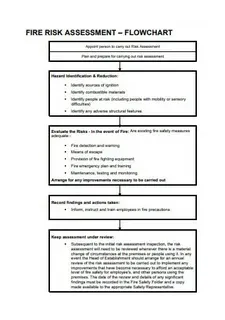
BS 9792:2025 supersedes PAS 79-2 for housing fire
risk assessment guidance.
There is no rule saying that every block of flats automatically requires Type 4. The appropriate approach depends on factors such as:
A Fire Risk Assessment for a block of flats can involve considerations beyond the communal
corridors and stairs. Depending on the building, it may be necessary to consider:
• Common parts
• Flat entrance doors
• Structure
• External walls
• Compartmentation
• Fire doors
• Fire detection
• Emergency lighting
• Means of escape
• Resident information
• Building management
• Previous building alterations
• Existing fire-safety information
The Fire Safety Act 2021 clarified that, for relevant multi-occupied residential buildings, the fire-risk assessment provisions of the Fire Safety Order extend to the structure, external walls and flat entrance doors.
HMOs often need a more considered approach because people may be sleeping on the premises and occupants can share kitchens, corridors and other facilities. A HMO Fire Risk Assessment in London can consider:
• Sleeping accommodation
• Occupancy
• Escape routes
• Protected routes
• Fire doors
• Fire detection
• Emergency lighting
• Shared kitchens
• Communal areas
• Housekeeping
• Resident information
• Emergency procedures
• Fire-safety management
For certain existing residential properties, LACORS Housing – Fire Safety remains a useful risk-based guidance document alongside the applicable legislation and other guidance. LACORS is guidance, not legislation, and should be used appropriately for the type of property being assessed.
For landlords and property managers, fire safety is not just about having a report. You need to understand what your responsibilities are, what arrangements are in place and whether the recommendations from the assessment are being dealt with. A landlord FRA may be relevant to:
• HMOs
• Flats
• Residential buildings
• Communal areas
• Mixed-use properties
• Rented commercial premises
London Fire Brigade publishes guidance specifically for landlords and property managers, including information about Fire Risk Assessments and wider fire-safety responsibilities.
Commercial premises can vary enormously, which is why the assessment should be based on the actual use of the building.
We can consider office occupancy, escape routes, electrical risks, fire detection, emergency lighting, housekeeping, staff arrangements and evacuation procedures.
Retail premises can involve customers, staff, stock, displays, storage and changing occupancy patterns.
Restaurants, cafés, hotels and hospitality venues can present additional considerations around cooking, hot equipment, extraction, electrical systems, combustible materials and evacuation.
Warehouses may require particular attention to stock, storage heights, combustible materials, machinery, charging areas, access routes and housekeeping.
Industrial and manufacturing premises can involve processes, machinery, chemicals, heat sources, flammable materials and other operational hazards.
A building containing residential accommodation above shops or other commercial premises should not automatically be approached in the same way as a single-use building. Mixed-use properties can have different:
The assessment should take account of how the different uses interact.
A good fire-safety assessment considers people, not just the building. Depending on the premises, particular consideration may be needed for:
• Older people
• Disabled people
• Children
• People with mobility difficulties
• People with hearing or visual impairments
• People unfamiliar with the building
• People who may need assistance to evacuate
• Sleeping occupants
• People receiving care
For suitable residential settings, person-centred fire-safety considerations and Personal Emergency Evacuation Plan arrangements may also be relevant.
Fire safety in London is governed by a combination of legislation, official guidance and technical standards. The applicable framework depends on the building and the work being carried out.
The Regulatory Reform (Fire Safety) Order 2005, commonly referred to as the Fire Safety Order, is the principal fire-safety legislation for relevant nondomestic premises in England and Wales. It places duties on the Responsible Person, including duties relating to fire risk assessment, precautions, emergency arrangements, maintenance and review. London Fire Brigade identifies it as the main legislation it enforces in London.
The Fire Safety Act clarified the application of the Fire Safety Order in relevant multi-occupied residential buildings, including consideration of structure, external walls and flat entrance doors.
The Fire Safety (England) Regulations 2022 introduced additional duties for Responsible Persons in relevant residential buildings in England, including requirements concerning resident information, fire doors and information for the Fire and Rescue Service.
Section 156 introduced important amendments to the Fire Safety Order from October 2023, including strengthened requirements around recording findings, fire-safety arrangements and cooperation between Responsible Persons.
The Housing Act 2004 is relevant to residential housing standards and certain HMOs and other accommodation.
Building Regulations are particularly relevant to building work, alterations, construction and design. A Fire Risk Assessment should not be confused with a Building Regulations assessment.
Approved Document B provides guidance concerning fire safety under the Building Regulations, including warning and escape, internal fire spread, structural fire protection, external fire spread and facilities for the Fire and Rescue Service. It does not replace an operational Fire Risk Assessment.
PAS 79-1 provides a recognised code of practice for carrying out and recording fire risk assessments in premises other than housing. It can be relevant to:
• Offices
• Retail premises
• Workplaces
• Commercial buildings
• Industrial premises
• Other non-domestic premises
BS 9792:2025 replaces PAS 79-2 for housing assessments. Agree the relevant Type 1, Type 2, Type 3 or Type 4 scope before inspection. It is particularly relevant to blocks of flats and other residential buildings where the scope of inspection needs to be considered carefully.
Depending on the building, systems and scope, the assessment may need to consider information associated with standards such as:
Fire detection and fire alarm systems.
Emergency lighting.
Fire safety in the design, management and use of residential buildings.
Fire safety in the design, management and use of buildings other than dwellinghouses.
Timber-based fire door assemblies.
Application of fire safety engineering principles to building design.
Fire testing and performance of materials and building elements, where applicable.
Fire resistance and smoke control testing for doors and related building elements.
The relevant standard depends on the property, system, product and purpose. British Standards are technical standards and should not automatically be described as legislation.
For certain types of existing residential accommodation, LACORS Housing – Fire Safety provides useful risk-based guidance. It can be relevant to certain:
LACORS is guidance rather than legislation and should be considered alongside the applicable legal requirements and other relevant guidance.
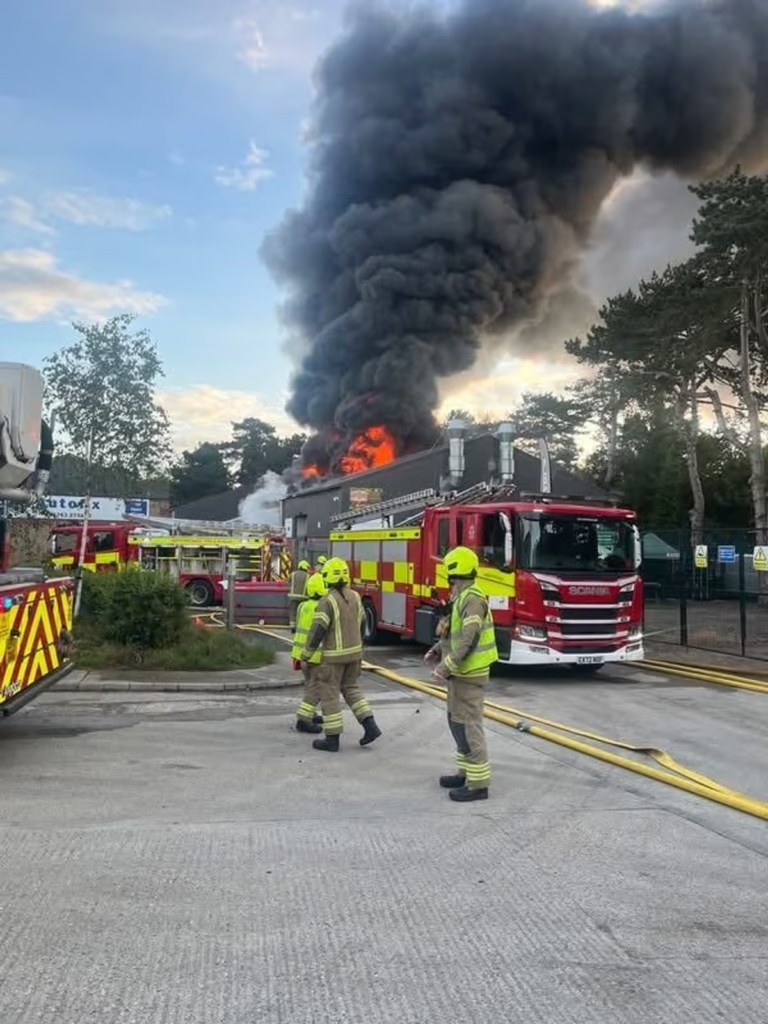
London Fire Brigade provides extensive fire-safety information for businesses, landlords, property managers and Responsible Persons. Its guidance covers areas including:
London Fire Brigade’s Assessment of Risk for London provides wider information about fire and rescue risks across the capital. This wider information provides local context, but every Spycon assessment remains specific to the individual building.
London is our main market, and we provide Fire Risk Assessment services throughout Greater London.
In Barking & Dagenham, our service supports commercial estates, warehouses, industrial premises, residential buildings, HMOs and mixeduse properties in Barking, Dagenham and surrounding areas.
In Havering, including Romford, Hornchurch, Harold Hill and Rainham, we support suitable commercial, retail, warehouse, office and residential premises.
In Newham, including Stratford, East Ham, Canning Town and the Royal Docks, our assessments can support commercial offices, retail, hospitality, residential developments, HMOs and mixed-use buildings.
In Tower Hamlets, including Canary Wharf, Docklands, Poplar, Whitechapel, Limehouse and Bethnal Green, the property environment ranges from major commercial buildings to residential towers, HMOs, hospitality premises and mixed-use developments.
In Hackney, including Hackney Central, Shoreditch, Homerton and Stoke Newington, our service supports suitable offices, restaurants, shops,
HMOs, residential buildings and mixed-use premises.
In Redbridge, including Ilford, Gants Hill and Woodford, we assess suitable commercial, office, retail, HMO and residential properties.
In Waltham Forest, including Walthamstow, Leyton, Leytonstone and Chingford, our service covers appropriate workplaces, retail premises,
HMOs, residential properties and mixed-use buildings.
In Barnet, including Finchley, Hendon, Mill Hill and Edgware, we support appropriate offices, retail premises, residential buildings, HMOs and
commercial properties.
In Enfield, including Enfield Town, Edmonton and Palmers Green, our service covers suitable offices, warehouses, industrial premises, retail and residential buildings.
In Haringey, including Tottenham, Hornsey, Crouch End and Wood Green, Fire Risk Assessments can be relevant to offices, hospitality, retail, HMOs, flats and mixed-use properties.
In Islington, including Angel and Finsbury, we support suitable offices, restaurants, shops, HMOs, residential buildings and mixed-use premises.
In Camden, including Camden Town, Kentish Town, Hampstead, Holborn and Bloomsbury, our service supports commercial buildings, offices, hospitality premises, HMOs, flats and mixed-use properties.
In Harrow, including Harrow, Pinner and Stanmore, we support suitable commercial, retail, office, HMO and residential premises.
In Hillingdon, including Uxbridge, Hayes, Ruislip, West Drayton and the wider Heathrow business area, we provide Fire Risk Assessments for suitable commercial, industrial, warehouse, office and residential properties.
In Brent, including Wembley and Harlesden, we support offices, retail premises, warehouses, HMOs, residential buildings and mixed-use
properties.
In Ealing, including Ealing, Acton, Southall and Hanwell, our service can support offices, shops, restaurants, HMOs, residential properties and
mixed-use buildings.
In Hammersmith & Fulham, including Hammersmith and Fulham, we assess suitable offices, hospitality venues, retail premises, residential buildings and mixed-use properties.
In Hounslow, including Hounslow, Chiswick, Brentford, Isleworth and Feltham, we provide suitable Fire Risk Assessments for commercial,
industrial, hospitality, office and residential premises.
In Kensington & Chelsea, including Kensington, Chelsea, Earl’s Court and Notting Hill, we support appropriate residential buildings, flats, hotels, restaurants, retail premises and mixed-use properties.
In Richmond upon Thames, including Richmond, Twickenham, Teddington, Kew and Barnes, our service covers suitable offices, shops, hospitality businesses, residential buildings and mixed-use premises.
In Bexley, including Bexleyheath, Erith and Sidcup, Fire Risk Assessments can support commercial, office, retail, HMO and residential properties.
In Bromley, including Bromley, Beckenham, Orpington and Chislehurst, we support suitable offices, shops, hospitality premises, HMOs and
residential buildings.
In Croydon, including Croydon, South Croydon and Purley, our service covers offices, retail premises, residential blocks, HMOs, hospitality and mixed-use buildings.
In Greenwich, including Greenwich, Woolwich, Eltham and Plumstead, we assess suitable residential, commercial, retail and mixed-use
premises.
In Lewisham, including Lewisham, Catford and Deptford, we support appropriate offices, retail premises, restaurants, HMOs and residential
buildings.
In Lambeth, including Brixton, Vauxhall, Waterloo and Kennington, Fire Risk Assessments can support offices, hospitality, retail, HMOs, residential buildings and mixed-use premises.
In Southwark, including London Bridge, Bermondsey, Borough and Elephant and Castle, we support suitable offices, hospitality venues, retail
properties, residential blocks and mixed-use buildings.
In Merton, including Wimbledon, Mitcham, Morden and Colliers Wood, our service can support commercial, retail, residential, HMO and mixed-use premises.
In Sutton, including Sutton, Cheam, Carshalton and Wallington, we provide suitable assessments for offices, shops, residential properties, HMOs and commercial premises.
In Kingston upon Thames, including Kingston and Surbiton, we support suitable offices, retail, restaurants, HMOs, residential buildings and mixeduse premises.
In Wandsworth, including Wandsworth, Battersea, Balham and Putney, our service can support commercial buildings, offices, residential
developments, HMOs, hospitality and mixed-use properties.
In Westminster, including Westminster, Mayfair, Soho, St James’s, Victoria and Paddington, our Fire Risk Assessments can support offices, hotels, restaurants, retail premises, residential buildings and mixed-use properties.
In the City of London, where commercial offices, high-density workplaces, hospitality and complex urban properties are concentrated, we provide assessments tailored to the individual building.
Camden and Islington also cover important centralLondon commercial and residential areas, including Holborn, Bloomsbury, Angel and Finsbury.
There is no single price that fits every property.
The cost can depend on:
• Property type
• Floor area
• Number of floors
• Occupancy
• Number of units
• Sleeping accommodation
• Complexity
• Mixed-use arrangements
• Existing fire-safety information
• Assessment type
• Additional specialist requirements
Residential Fire Risk Assessment
Commercial Fire Risk Assessment
Medium Premises
Large / Complex Premises
These are starting prices for defined scopes. The final quotation depends on the actual property and assessment requirements.
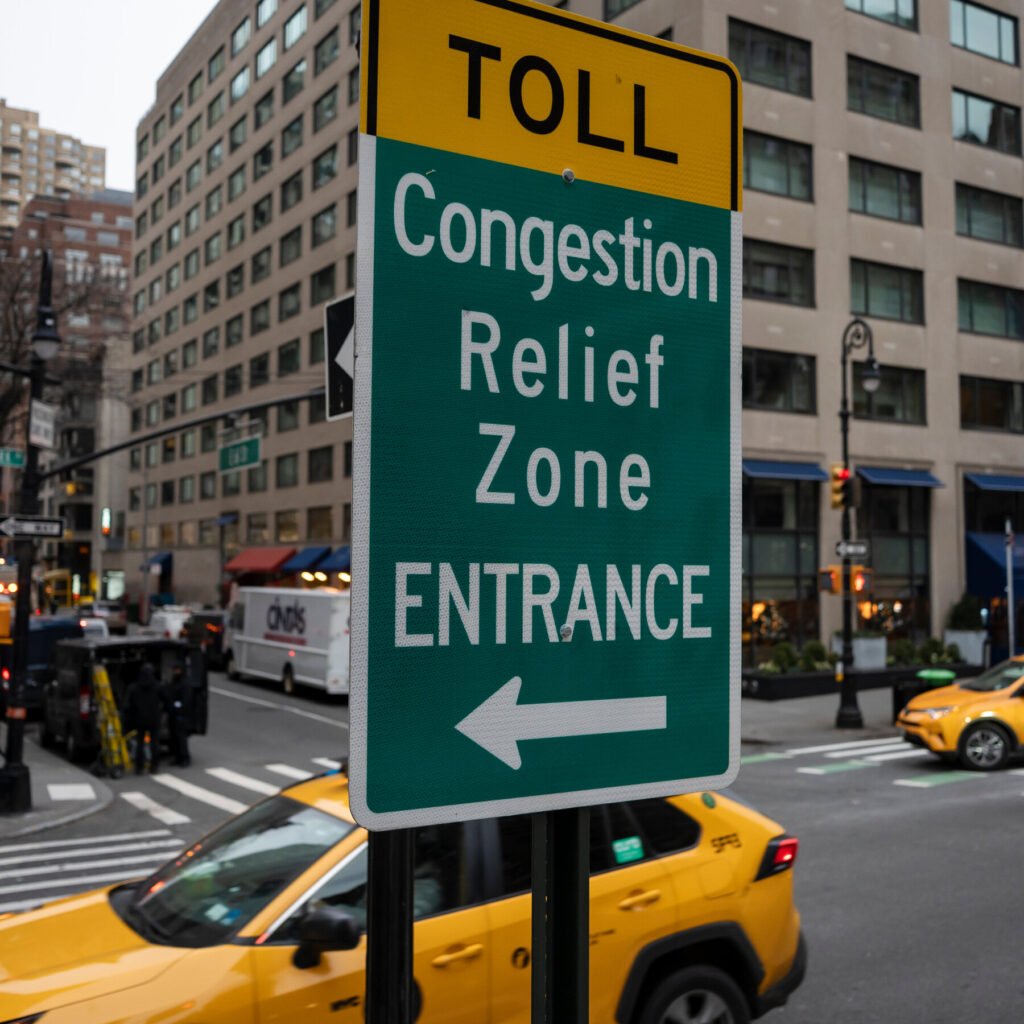
We keep site-visit costs separate from the assessment fee so the pricing is easier to understand. The advertised FRA fee covers the agreed assessment and reporting scope. Any applicable Congestion Charge, paid parking, tolls or other unavoidable site-access charges incurred during a site visit are additional to the
assessment fee. Where these costs apply, they are itemised
separately on your invoice. This means you can see the assessment fee and any site-access costs separately rather than having variable travel charges built into a higher standard price.
Finding an issue does not automatically mean a property has to close. The purpose of the assessment is to identify risks and help the Responsible Person decide what action is appropriate.
Depending on the findings, recommendations may include:
• Fire-door inspection or repair
• Fire alarm work
• Emergency lighting work
• Fire extinguisher provision or servicing
• Improving escape routes
• Fire-safety signage
• Fire evacuation plans
• Fire safety training
• Fire drills
• Specialist compartmentation surveys
• Fire engineering input
• Updates to fire-safety procedures
Spycon can support clients with related fire-safety services where appropriate.
A written assessment is only one part of fire safety management.
Depending on the premises, staff may require appropriate information and training, while people with specific responsibilities may need additional instruction.
Spycon can support with:
• Fire Safety Awareness Training
• Fire Warden Training
• Fire Marshal Training
• Evacuation Procedures
• Refresher Training
• Fire Drills
• Evacuation Exercises
• Post-Drill Reporting
London Fire Brigade highlights the importance of suitable information, instruction, training and fire drills within workplace fire-safety arrangements.
An assessment may identify the need for additional fire-safety documentation. Depending on the building, we can also support:
• Fire Evacuation Plans
• Fire Safety Plans
• Fire Safety Drawings
• Fire Zone Plans
• Fire Policies and Procedures
These documents have different purposes and should not be treated as interchangeable.
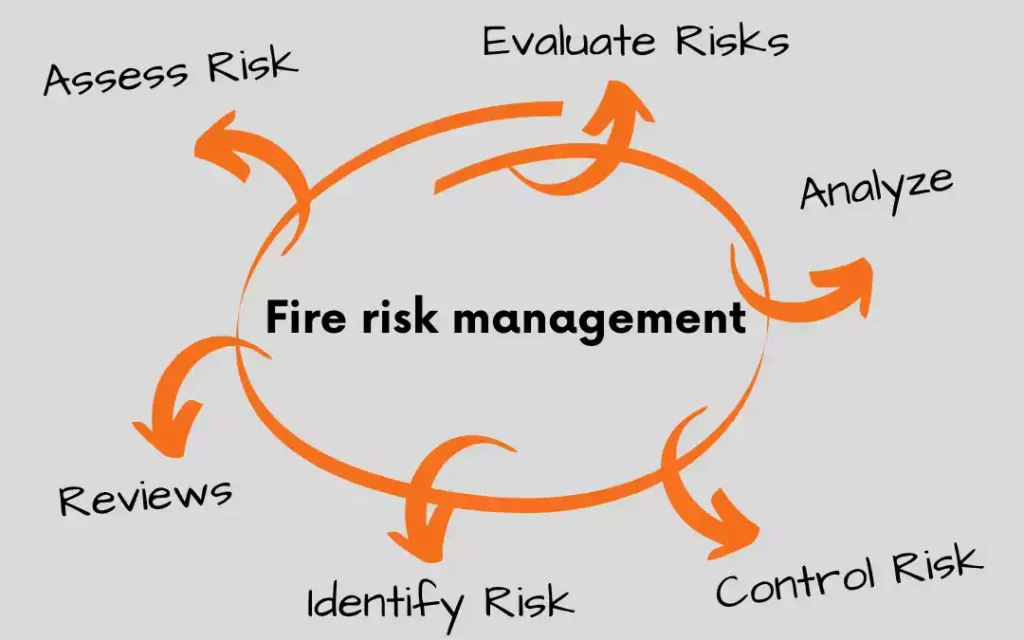
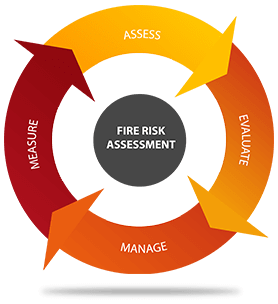
The most useful way to think about fire safety is asan ongoing process:
Understand the hazards and the people at risk.
Record the findings and recommendations.
Deal with identified deficiencies.
Make sure relevant people understand what theyneed to do.
Use fire drills and exercises to see whether the arrangements work in practice.
Revisit the assessment when circumstances change or when the existing assessment may no longer be suitable.
There is no single review period that applies to every building in exactly the same way. The assessment should be kept under review and
revisited when circumstances change or there is reason to believe it is no longer suitable.
Examples can include:
• Building alterations
• Change of use
• Significant changes in occupancy
• New processes
• Changes to fire precautions
• Fire incidents
• Significant near misses
• Changes affecting vulnerable occupants
• Changes in management arrangements
The Responsible Person should ensure the assessment remains appropriate for the premises.
These are different services.
Fire Risk Assessment
Assesses the fire risks and existing fire precautions at a premises.
Fire Strategy
Sets out a fire-safety strategy for a building or development and is commonly associated with design, construction or alteration projects.
A project may require one or both, depending on the circumstances.
A Fire Risk Assessment looks at fire risk and fire precautions. A Fire Evacuation Plan explains how people should respond and evacuate during an emergency.
The two documents work together but serve different purposes.
The term “Fire Safety Plan” can mean different things in different organisations. Before commissioning one, it is useful to establish
whether you actually need:
• Fire Evacuation Plan
• Fire Safety Drawing
• Fire Zone Plan
• Fire Policy
• Fire Strategy
• Another fire-safety document
We can help clarify the appropriate service within our area of competence.
For landlords, property managers and organisations with multiple premises, a consistent assessment programme can make fire-safety management easier.
A portfolio programme can include:
• Property register
• Assessment schedule
• Consistent reporting
• Risk prioritisation
• Action tracking
• Review dates
• Follow-up assessments
Our London focus can also be useful for organisations with properties across multiple boroughs, while our wider project experience allows us to support suitable multi-site requirements
outside London.
London is our prime service area, but our work is not limited to the capital. We also undertake suitable Fire Risk Assessments across:
• England
• Scotland
• Wales
Our project experience extends across numerous major cities and locations, allowing organisations with multi-site properties to work with one provider where the assessment requirements and assessor competence are appropriate. The legislation and guidance applicable to a project can vary according to the location, property type and circumstances, so each assessment is scoped accordingly.
Site-Visit Charges
Applicable Congestion Charge, paid parking, tolls
and other unavoidable site-access charges incurred
during a site visit are additional to the assessment
fee and will be itemised separately on your invoice.
Where the Regulatory Reform (Fire Safety) Order
2005 applies, the Responsible Person must ensure
that a suitable and sufficient Fire Risk Assessment is
carried out and kept under review.
The requirement depends on the premises and
applicable legislation. Employers, owners,
landlords, occupiers and other persons with
relevant control may have duties as Responsible
Persons.
The person carrying out the assessment should be
competent for the type and complexity of premises.
London Fire Brigade recommends that Responsible
Persons use a suitably competent person where
necessary.
A Type 1 housing assessment is generally nonintrusive and covers the common parts. BS
9792:2025 replaces PAS 79-2.
A Type 2 assessment is an intrusive assessment of
common parts.
A Type 3 assessment extends the common-parts
assessment to relevant matters within a sample of
individual flats without intrusive inspection.
A Type 4 assessment combines the Type 3 scope
with intrusive inspection of common parts and
sampled flats.
No. The appropriate scope depends on the building,
known risks, available information, construction and
reason for the assessment.
Our starting prices are from £80 for residential
assessments and £165 for defined commercial
assessment scopes, with larger or more complex
premises priced according to the property and
assessment requirements.
No. Applicable Congestion Charge, paid parking,
tolls and other unavoidable site-access charges
incurred during a site visit are additional and are
itemised separately on your invoice.
The time depends on the size, use and complexity of
the premises. The report-writing period should also
be considered as part of the overall programme.
The applicable duties depend on the property and
the landlord’s responsibilities. London Fire Brigade
provides specific guidance for landlords and
property managers.
HMOs can be subject to specific fire-safety
requirements. The assessment should reflect the
actual building, occupancy, sleeping
accommodation and applicable responsibilities.
Relevant multi-occupied residential buildings can
fall within the Fire Safety Order framework, with
additional considerations concerning structure,
external walls and flat entrance doors.
No. A Fire Risk Assessment is an assessment and
report. It should not be represented as a universal
government-issued “fire safety certificate”.
It should be kept under review and revisited when
circumstances change or when the existing
assessment may no longer be suitable.
Yes, subject to scope. Related services can include
Fire Evacuation Plans, Fire Safety Drawings, Fire
Zone Plans and other fire-safety documentation.
Yes. We can support appropriate fire-safety training,
fire warden/marshal training and fire-drill or
evacuation exercises.