

Spycon Security Ltd
Tell us whether you need periodic inspection, a full-ratedduration test, fault finding, or documentation following
installation or alteration.
A periodic test report identifies the system examined, work
completed, results, limitations and responsible signatory. It does
not replace a missing design or establish complete lighting
coverage unless a design adequacy assessment is included.
Our team includes AM2-qualified engineers or supervisors with
competence appropriate to emergency lighting.
The person undertaking the inspection and tests records the
results. The competent person responsible for the relevant
certification signs the documents, with supervisory review where
applicable.
Separate electrical installation certification or notification is
provided through the appropriate responsible person and route
where required.
Our insurance arrangements are subject to the relevant policies,
insured activities, limits and exclusions.
NAPIT insurance, training and scheme registration are different
credentials. The work record states its actual scope and does not
sign off unrelated electrical systems, the fire risk assessment or
every aspect of the building.
Monthly functional checks and annual full-rated-duration tests
serve different purposes.
The required duration follows the installation’s design and rating;
three hours should not be assumed for every system without
checking.
After a full discharge, batteries need time to recharge. We agree
the timing around occupancy and risk, identify any temporary
precautions and check restoration of normal supply and charging
arrangements.
Automatic test systems still need results reviewed and faults
acted on.
A fitting that lights briefly may still fail its duration test, and a
working fitting does not automatically prove adequate
illumination across an escape route.
Where lux measurements, coverage assessment or redesign are
needed, we agree that scope.
The report identifies failed fittings by location, with
recommendations for repair, replacement or further
investigation. Replacement equipment must match the required
performance and installation arrangements.
Emergency lighting testing should give you a clear record of the installation examined, the tests completed and any faults requiring attention.
Spycon Security Ltd checks the agreed system and explains the findings, so you can organise repairs and keep reliable property records. Tell us whether you need a periodic test, an annual duration test or documentation for new or altered work.
Our team includes AM2-qualified engineers or supervisors with relevant emergency lighting competence. Insurance is arranged through NAPIT, subject to policy scope and terms. The competent person responsible for the work signs the applicable inspection
and test records.
Send us the property address, type of building and approximate
number of emergency lights. We can then discuss the existing system and the appropriate inspection or testing required.
Spycon Security provides emergency lighting testing, inspection
and servicing for landlords, HMO owners, property managers,
businesses and commercial premises throughout London.
Whether you need a routine test, a three-hour duration test, an
updated certificate or help because some of your emergency
lights have failed, we can inspect the existing system and explain
what needs to be done.
We work on emergency lighting systems in offices, shops, HMOs,
blocks of flats, communal areas, warehouses, restaurants,
industrial buildings and other premises where emergency lighting
forms part of the property’s fire-safety arrangements.
Our electrical team includes AM2-qualified engineers or
supervisors, with relevant qualifications, practical experience
and competence for the work they undertake.
We don’t see certification as simply producing a document at the
end of a visit. The useful part is the inspection itself: checking the
system, identifying problems and giving you a clear record of
what was found.
An emergency lighting certificate is a record of inspection or
testing carried out on an emergency lighting system.
Emergency lighting is there to provide illumination when the
normal lighting supply fails. Depending on the building, it can help people find escape routes, stairways, exits and other areas that need to remain visible during an emergency. For buildings covered by the Fire Safety Order, emergency lighting
can be one of the fire-safety measures provided as part of the
property’s overall fire precautions.
The important thing to understand is that the certificate itself is
not the law.
It records the work that was carried out on the emergency lighting
system.
It does not replace a Fire Risk Assessment, and it does not certify
every aspect of a building’s fire safety.
Government guidance requires relevant fire-safety measures to
be maintained and kept in efficient working order and good repair.
Where emergency lighting is provided, it should be inspected,
tested and maintained appropriately by competent people.
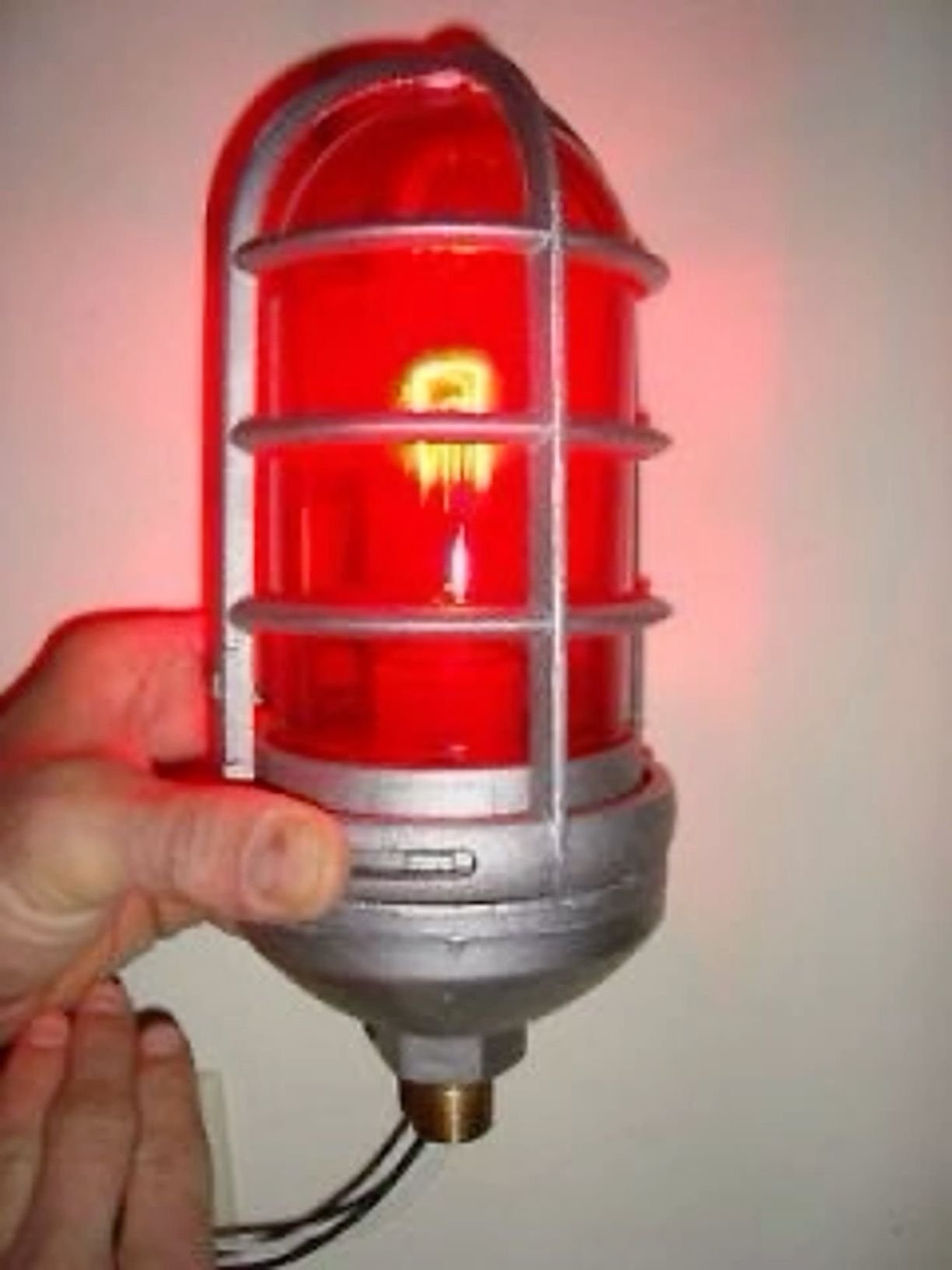
A proper emergency lighting test involves more than switching
one fitting on and looking around the room.
The engineer needs to understand what type of system is
installed and what the testing arrangement is intended to
demonstrate.
Depending on the installation, we may inspect and test:
The exact inspection depends on the property and the emergency lighting system installed. A small converted property and a large commercial building may have completely different systems, so we don’t use a one-sizefits-all approach.
When you arrange an emergency lighting inspection with us, the process is straightforward.
We look at what has actually been installed and, where available, review previous certificates, drawings, logbooks and maintenance records.
The emergency lights and relevant equipment are checked for damage, condition, accessibility and obvious problems.
The appropriate test procedure is carried out to check that the emergency luminaires operate when the normal lighting supply is interrupted.
Depending on the system, that can include batteries, charging arrangements, test facilities, indicators and central battery equipment.
A failed battery, damaged fitting, faulty exit sign or other problem should be recorded rather than overlooked.
The test report or certificate reflects the work actually undertaken and the findings from the inspection.
The three-hour emergency lighting test is one of the most
common requests we receive from landlords, businesses and
property managers. A full-duration test is used where the emergency lighting system has been designed to provide the relevant three-hour duration.
During a duration test, the normal lighting supply is interrupted
using the appropriate test method and the emergency system is
allowed to operate for the required period.
The engineer checks the system during the test and looks for
problems such as:
Once the duration test is completed, the normal supply is
restored and the system is checked to make sure it returns to its
normal condition.
A full discharge can leave batteries significantly depleted, so the
system needs time to recharge afterwards.
Not every emergency lighting system should automatically be
assumed to have the same duration requirement. The
appropriate test should be based on the design and system being
inspected.
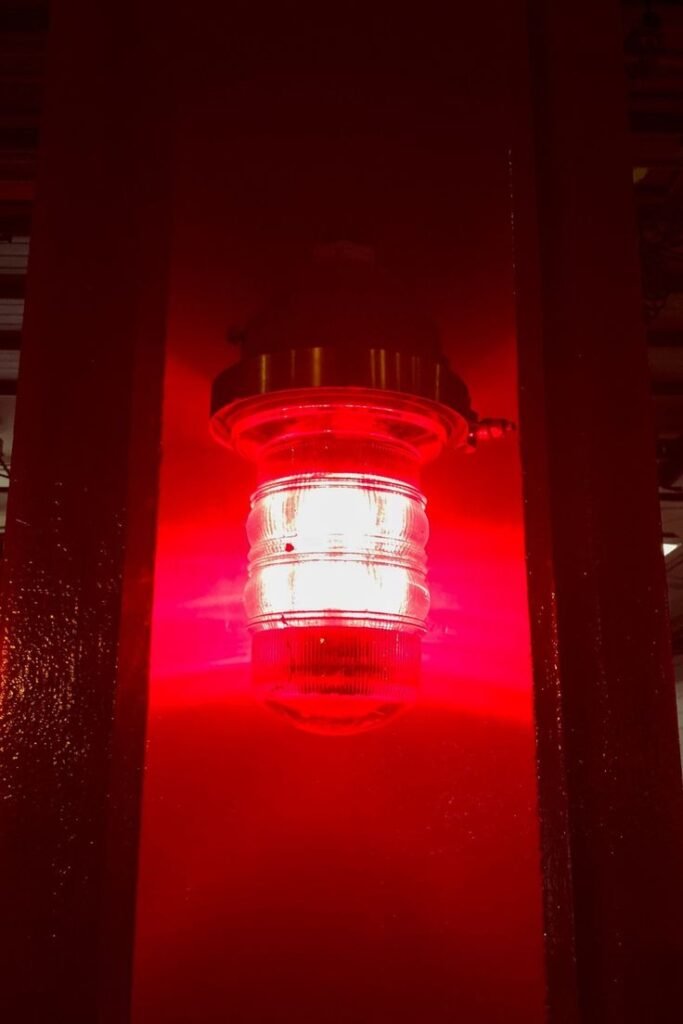
Routine testing is an important part of looking after emergency
lighting.
Government workplace guidance describes a monthly functional
test as part of a typical emergency escape lighting maintenance
regime. The purpose is to check that the emergency luminaires
operate when the test facility is used, with the results recorded.
Where a property has an automatic testing system, its fault
indicators and available test records should also be reviewed.
Routine checks should be recorded in the emergency lighting
logbook so there is a clear history of what has been tested.
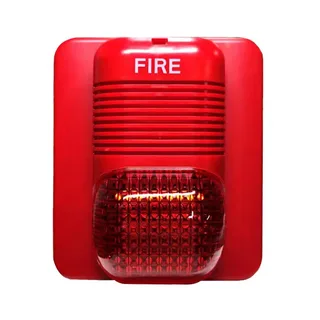
An annual emergency lighting test is commonly used as part of a
property’s wider maintenance programme. Government guidance for workplaces describes annual testing of emergency lighting by a competent person. The annual inspection may include the operation and condition of:
• Emergency luminaires
• Exit signs
• Batteries
• Charging equipment
• Test facilities
• Escape-route lighting
• Open-area lighting
• Central battery systems
• Automatic test systems
• Relevant records
The testing programme should reflect the building, system,
manufacturer’s information, fire-risk arrangements and
applicable standards.
BS EN 1838:2024 deals with performance requirements for
emergency lighting. It is relevant when considering the lighting levels and performance required in emergency situations, including escape
routes and other areas where emergency illumination is needed.
The appropriate requirements depend on the application and
design of the system.
BS EN 50172:2024 is relevant to emergency escape lighting systems and includes requirements and recommendations relating to operation, testing, maintenance and records. These standards work alongside the wider fire-safety arrangements for the property.
They should not simply be treated as another way of saying that a
building is “legally compliant”.
For most relevant non-domestic premises in England, the Regulatory Reform (Fire Safety) Order 2005, as amended, remains an important part of the fire-safety framework. The person responsible for fire safety is commonly referred to as the Responsible Person.
Depending on the circumstances, that can be an employer,
owner, landlord, occupier, facilities manager or another person
who has control of the premises. The Responsible Person has wider fire-safety responsibilities than simply arranging an emergency lighting test. Government guidance says fire-safety measures should be regularly inspected, tested and serviced, kept in efficient working
order and good repair, and that people carrying out testing and
maintenance must be competent. That is why keeping good emergency-lighting records is important.
Fire-safety responsibilities have developed significantly in recent
years. The Fire Safety Act 2021 clarified aspects of the Fire Safety Order
in relation to multi-occupied residential buildings, including
external walls, structure, balconies and flat entrance doors
between flats and communal areas. The Fire Safety (England) Regulations 2022 introduced additional duties for relevant multi-occupied residential buildings. Section 156 of the Building Safety Act 2022 also introduced further changes to the Fire Safety Order from 1 October 2023, including stronger requirements around recording fire-risk assessments and fire-safety arrangements and cooperation
between Responsible Persons. An emergency lighting certificate doesn’t cover all of those responsibilities, but it can form part of the property’s maintenance records.
HMOs often generate emergency lighting enquiries because communal escape routes and shared areas can require additional consideration. The appropriate system depends on the building rather than simply the number of occupants.
Things that can matter include:
• Number of storeys
• Layout
• Communal corridors
• Staircases
• Escape routes
• Final exits
• Occupancy
• Fire doors
• Fire separation
• Existing emergency lighting
• Fire Risk Assessment
• HMO licensing requirements
A three-storey HMO in one part of London may not have exactly the same requirements as another three-storey HMO. We therefore inspect the system that is actually installed and consider the information available for the property.
For landlords, emergency lighting can be particularly relevant in:
• HMOs
• Shared accommodation
• Converted properties
• Blocks of flats
• Communal areas
• Shared staircases
• Mixed-use buildings
Maintaining current inspection and test records can make property management much easier. If you are asked for an emergency lighting certificate by a managing agent, insurer, licensing authority or other party, the document should accurately describe the testing that has taken place.
Emergency lighting in a block of flats can be different from the lighting provided inside individual dwellings.
Communal systems may cover:
• Corridors
• Staircases
• Entrance areas
• Protected escape routes
• Final exits
• Plant rooms
• Bin stores
• Other common areas
The building’s fire strategy, fire-risk assessment and relevant regulations need to be considered alongside the emergency lighting. The Fire Safety (England) Regulations 2022 introduced additional fire-safety duties for relevant multi-occupied residential buildings, depending on building characteristics. An emergency lighting certificate covers the emergency lighting inspection; it does not certify the building as a whole.
We inspect emergency lighting systems in a wide range of commercial premises.
Emergency lighting in corridors, stairways, open areas, circulation spaces and exits.
Emergency lighting serving customer areas, staff areas, storage spaces and escape routes.
Inspection of emergency lighting and exit signs serving public, staff and escape areas.
Testing emergency lighting across guest and staff areas and relevant escape routes.
Emergency lighting for long circulation routes, escape routes and other relevant areas.
Inspection of emergency lighting in workplaces where loss of normal lighting may create additional risks.
Testing systems serving corridors, stairways, exits and other relevant parts of the premises.
A maintained emergency light is normally illuminated during
normal operation and continues to operate from its emergency
supply if the normal supply fails. Maintained fittings are commonly used for certain applications, including some illuminated exit signs.
The decision to use maintained or non-maintained lighting
depends on the design of the system and the requirements of the
premises.
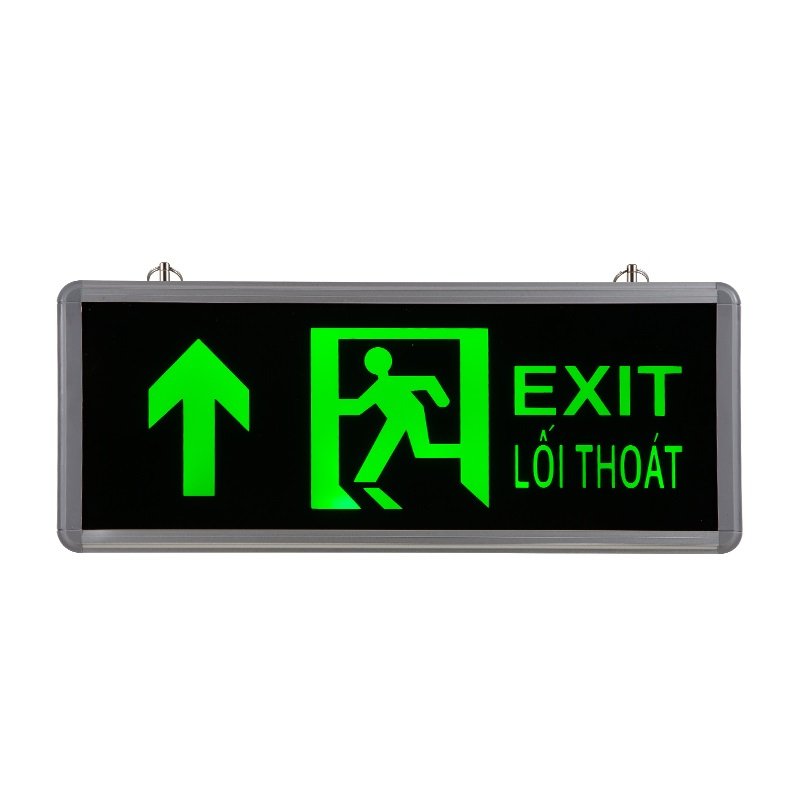
A non-maintained emergency light normally remains off while
normal lighting is available. It switches on when the normal lighting supply fails. Non-maintained fittings are widely used for emergency escape lighting. Again, the correct arrangement depends on the particular property and system design.
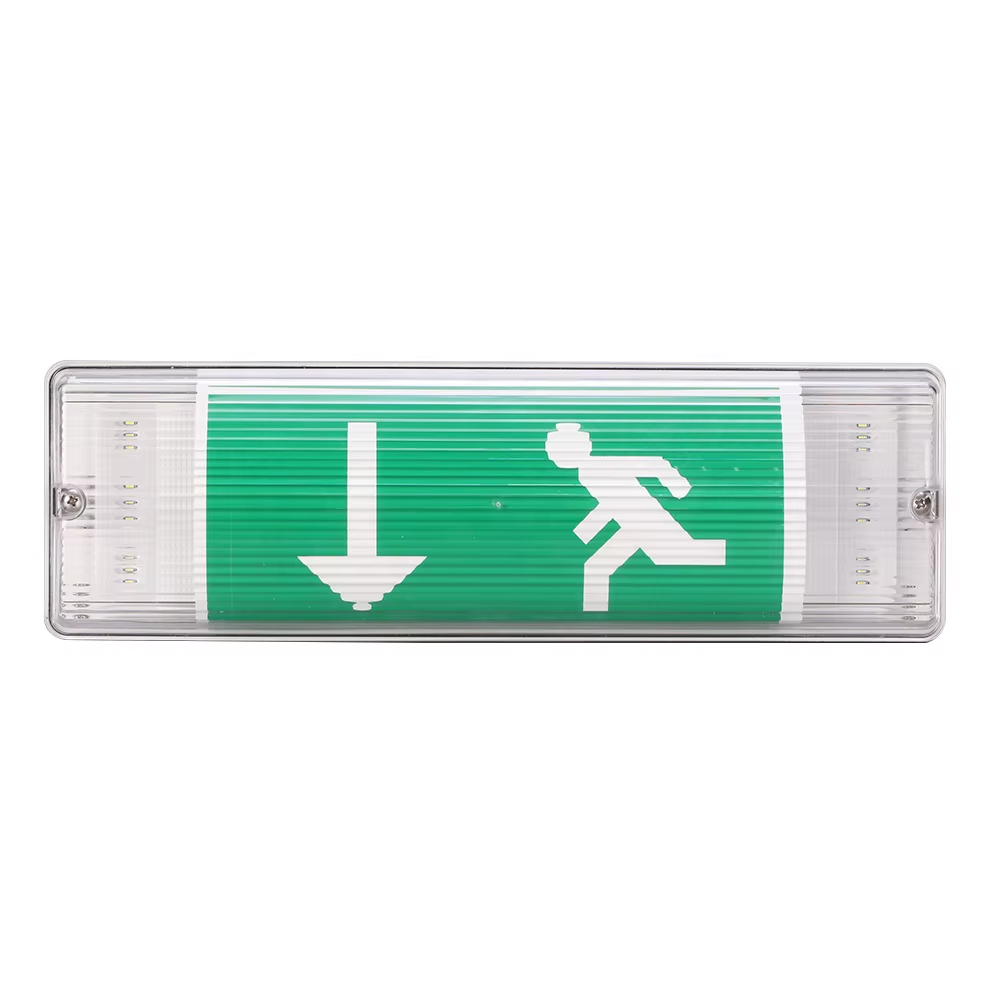
A self-contained emergency luminaire contains its own battery and associated emergency control equipment. This type of emergency lighting is common in many London buildings.
During servicing, relevant checks can include:
• Battery condition
• Charging
• Emergency operation
• Test facility
• Indicator status
• Physical condition
• Duration performance where applicable
Some larger buildings use a central battery emergency lighting system. Instead of having an individual battery in every fitting, multiple emergency luminaires receive emergency power from a central battery installation.
These systems can be more involved to inspect because the
engineer may need to consider:
• Central battery equipment
• Distribution circuits
• Changeover equipment
• Battery condition
• Fault indications
• Monitoring
• Emergency luminaires
• Circuit identification
• Maintenance records
Emergency exit signs help occupants identify routes towards exits when normal lighting is unavailable. During an inspection, we may check:
• Illumination
• Emergency operation
• Visibility
• Directional information
• Battery operation
• Physical condition
• Test facilities
Exit signs should form part of the property’s overall escape strategy rather than being considered in isolation.
Emergency escape lighting can be used in areas such as:
• Corridors
• Staircases
• Changes of level
• Intersections
• Final exits
• Fire equipment locations
• Fire alarm call points
• First-aid locations
• Other areas where emergency illumination is required The design and performance requirements depend on the premises.
Larger rooms and open spaces may need emergency lighting to help people orientate themselves following a failure of normal lighting. This is often referred to as open-area emergency lighting or antipanic lighting. The correct provision depends on the room, occupancy, escape arrangements and emergency lighting design.
Certain workplaces contain machinery or activities where an immediate loss of normal lighting could create an additional hazard. Emergency lighting may need to provide a suitable level of illumination so that dangerous processes can be stopped or made safe. This type of lighting needs to be considered according to the specific risk and work being carried out.
The exact inspection varies from property to property, but may include:
Condition and emergency operation.
Illumination, visibility and emergency operation
Condition, charging and relevant duration performance.
Operation of manual test facilities.
Fault indications and available test information.
Where applicable, the central equipment and related controls.
Emergency illumination serving stairs, corridors and final exits.
Relevant anti-panic lighting.
Relevant equipment and circuit identification.
Emergency lighting logbook and previous maintenance information.
A failed fitting does not automatically mean that the entire emergency lighting installation needs replacing. Sometimes the problem is relatively straightforward. For example:
The important thing is to identify the actual fault. We record defects clearly and explain what needs attention.
Where a problem is identified and the work falls within our scope, we can also help with remedial work. This may include:
Our Assess & Fix approach is intended to make things easier for the property owner. Instead of simply saying “failed” and leaving you to find another company, we can explain the problem and, where practical, provide the repair or quotation for the work required.
Emergency lighting is an electrical system involving mainssupplies, batteries, charging equipment and, in larger buildings, more complex distribution arrangements. Our team includes AM2-qualified engineers or supervisors with relevant emergency lighting competence. Insurance is arranged through NAPIT, subject to the policy scope and terms.
Relevant members of our engineering team hold electrical and technical qualifications at Level 3 or equivalent, depending on their role and scope of work
The Electrotechnical Certification Scheme now has the Fire Emergency and Security Systems (FESS) framework for the sector. Relevant FESS credentials can form part of an engineer’s wider competence profile for fire, emergency and security systems work.
AM2 supports electrical competence. A competent engineer or supervisor checks and signs the relevant work records.
Some emergency lighting systems and central battery installations require knowledge of specific equipment and manufacturers. Relevant specialist training and practical system experience are therefore also important.
Our emergency lighting work is supported by appropriate insurance arrangements for the services undertaken. Commercial clients and managing agents can request relevant evidence where required.
It is easy to compare emergency lighting services purely on price. The more important question is who is actually carrying out the inspection and whether they understand the system they are testing.
Government guidance states that people carrying out testing and maintenance of fire-safety measures should be competent.
Competence can involve a combination of:
A particular qualification or accreditation is not, on its own, a
guarantee that someone is competent to work on every type of
emergency lighting system. That is why we match the engineer’s experience and qualifications to the work required.
Keeping an emergency lighting logbook up to date gives property owners and managers a clear record of maintenance. Records can include:
Government fire-safety guidance recoammends keeping records of testing and maintenance. For landlords and property managers, a properly maintained logbook can save considerable time when someone asks for evidence of previous testing.
Lost paperwork does not automatically mean your emergency
lighting needs replacing. You may simply have inherited a building without its previous maintenance documents. We can inspect the existing system and document its current condition and the work actually carried out. We won’t recreate an old test certificate and present it as historical evidence when there is no way to verify it. That gives you a genuine record of what has been inspected.
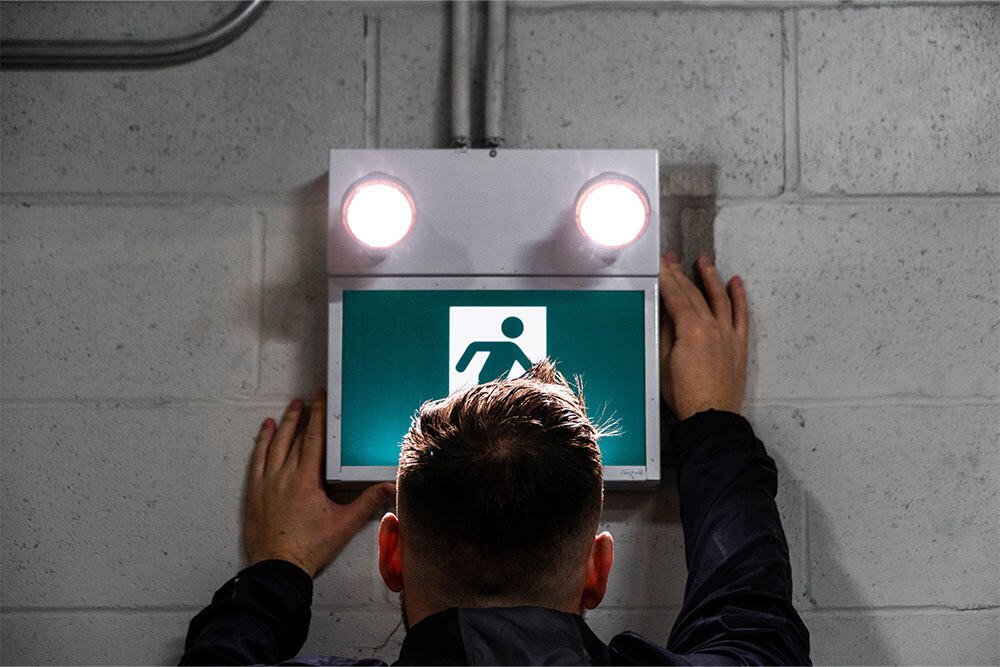
An EICR and an emergency lighting inspection are different
things. An EICR assesses the wider electrical installation. An emergency lighting test looks specifically at the emergency lighting system. A satisfactory EICR does not automatically confirm that emergency lights will operate for the required duration.
Likewise, an emergency lighting certificate does not replace an
EICR.
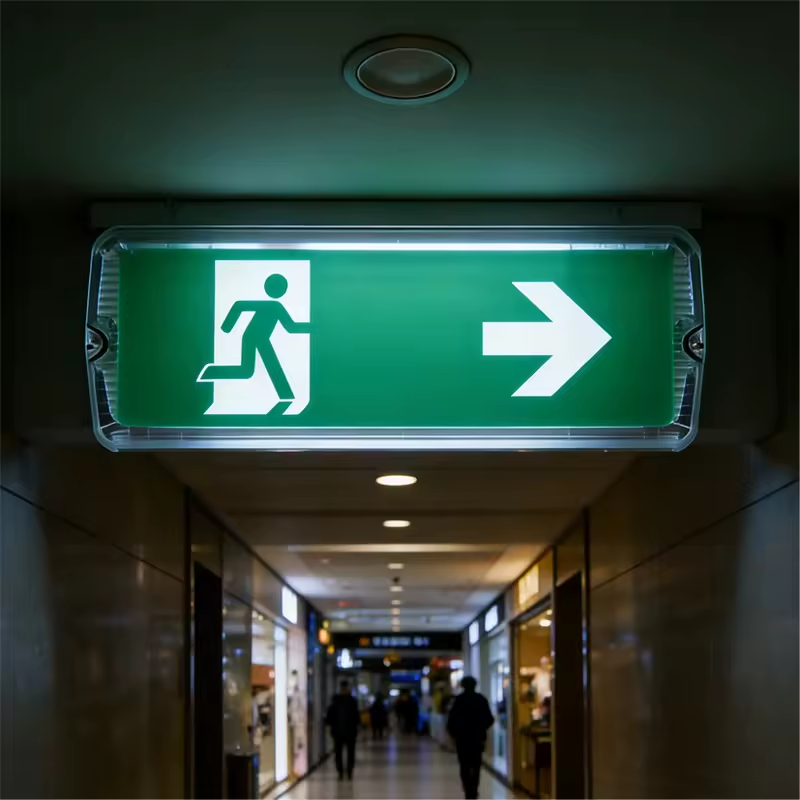
Emergency lighting and fire alarms are separate systems.
An Emergency Lighting Certificate records emergency lighting
inspection or testing.
A Fire Alarm Certificate records relevant work on the fire
detection and alarm system.
A Fire Risk Assessment considers the wider fire risks and
precautions at the property.
Where all three are relevant, they should be maintained as
separate records.
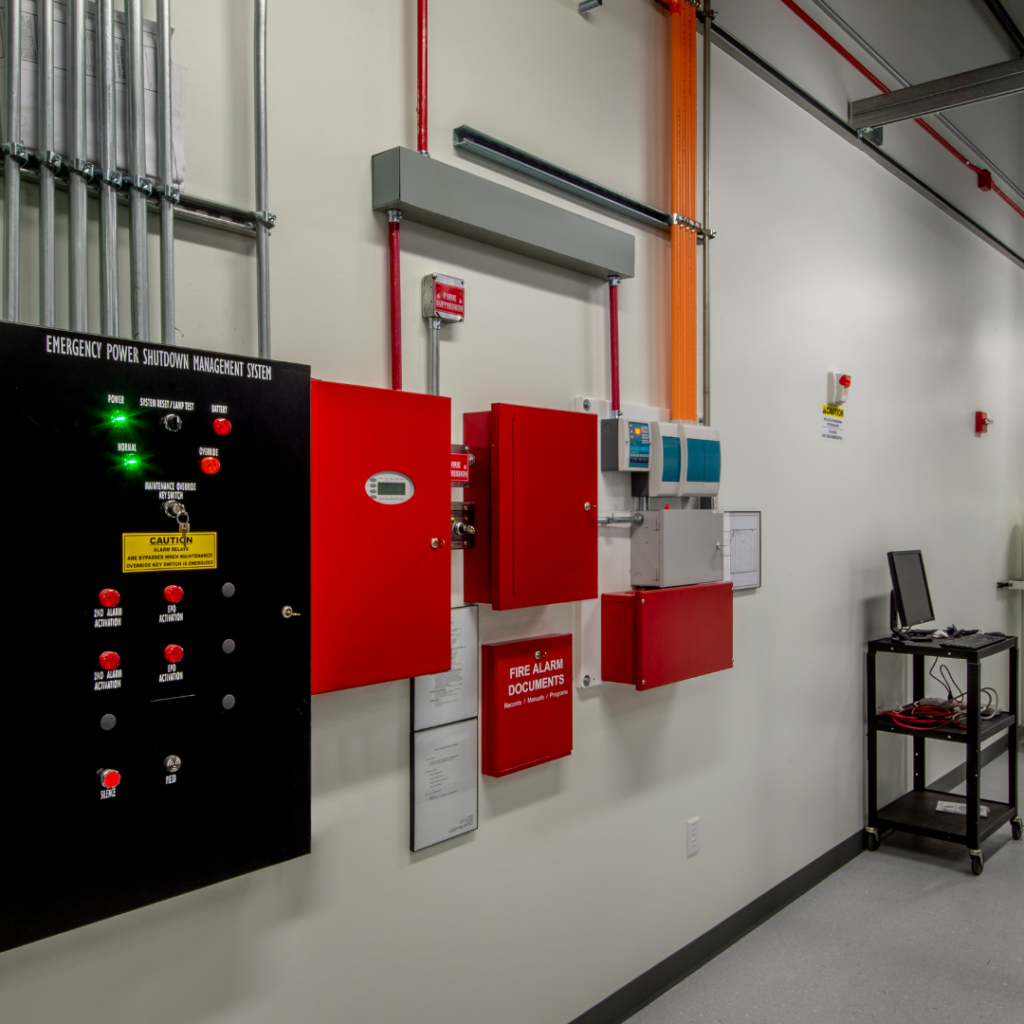
A Fire Risk Assessment considers the wider building, including
matters such as:
An emergency lighting certificate only relates to the testing or
inspection of the emergency lighting system.
It does not replace the Fire Risk Assessment.
A landlord may need current emergency lighting records for:
We can inspect existing systems and provide the relevant test
documentation.
Where a property is subject to local licensing conditions, those
conditions should be considered alongside the emergency
lighting inspection.
Managing agents are often responsible for several properties,
each with different systems.
We can provide clear documentation showing:
This makes it easier to keep property compliance files organised.
We provide emergency lighting testing for:
We can inspect existing systems and provide the relevant test
documentation.
Where a property is subject to local licensing conditions, those
conditions should be considered alongside the emergency
lighting inspection.
Spycon Security provides emergency lighting testing, inspection, servicing and certification throughout Greater London, including the 32 London boroughs and the City of London.
City of London
Emergency lighting testing for offices, commercial buildings and managed properties.
Westminster
Inspection and certification for commercial and residential buildings.
Camden
Emergency lighting testing for HMOs, landlords, offices and businesses.
Islington
Testing and servicing for HMOs, residential properties and commercial premises.
Kensington and Chelsea
Emergency lighting inspection for residential and commercial properties.
Barnet
Emergency lighting testing for HMOs, landlords and businesses.
Enfield
Inspection and certification for existing emergency lighting systems.
Haringey
Emergency lighting testing for HMOs and managed buildings.
Harrow
Testing and servicing for landlords and commercial premises.
Hillingdon
Emergency lighting inspection for residential and commercial properties.
Barking and Dagenham
Emergency lighting testing for HMOs, landlords and businesses.
Hackney
Inspection and servicing for residential and commercial properties.
Havering
Emergency lighting certification and testing.
Newham
Testing for HMOs, landlords and commercial premises.
Redbridge
Emergency lighting inspection for landlords, HMOs and businesses.
Tower Hamlets
Testing for residential blocks, HMOs and commercial buildings.
Waltham Forest
Emergency lighting inspection and servicing.
Brent
Emergency lighting testing for HMOs, landlords and businesses.
Ealing
Inspection for offices, HMOs and residential properties.
Hammersmith and Fulham
Testing and certification for commercial and residential premises.
Hounslow
Emergency lighting inspection and maintenance.
Richmond upon Thames
Testing and certification for residential and commercial properties.
Bexley
Emergency lighting testing and certification.
Bromley
Inspection and servicing for HMOs and residential buildings.
Croydon
Emergency lighting testing for landlords and businesses.
Greenwich
Inspection and certification.
Kingston upon Thames
Emergency lighting testing for residential and commercial properties.
Lambeth
Testing and certification for HMOs and commercial premises.
Lewisham
Inspection and servicing for landlords and businesses.
Merton
Emergency lighting certification for residential and commercial buildings.
Southwark
Testing for HMOs, mixed-use and commercial properties.
Sutton
Emergency lighting inspection and certification.
Wandsworth
Testing and servicing for landlords, residential blocks and commercial premises.
The emergency lighting requirements are not identical for every
property in London. The building, system, fire-risk assessment,
use and any applicable local requirements need to be
considered.
Give us the property address, building type and, if known, the approximate number of emergency lights.
If you have previous certificates, drawings, logbooks or maintenance records, these can help establish the history of the system.
A suitably qualified and insured engineer attends the property.
The emergency lighting system is inspected and the appropriate tests are carried out.
Any failed fittings, batteries, signs or other relevant problems are documented.
You receive documentation describing the inspection and testing undertaken.
A suitably qualified and insured engineer attends the property.
AM2-qualified engineers or supervisors undertake the relevant electrical scope. NAPIT insurance arrangements remain subject
to the applicable policies.
Our certificate service is centred on testing and maintaining the emergency lighting system you already have.
When a problem is found, we can help investigate the fault and, where appropriate, carry out remedial work.
We cover Greater London, including all 32 boroughs and the City of London.
If something needs attention, we explain the issue in plain English and tell you what the next step is.
If your emergency lighting test is due, your certificate has expired, you have failed fittings, or you simply want an independent
inspection of the system, speak to Spycon Security.
We provide:
• Emergency Lighting Certificate London
• Emergency Lighting Testing London
• Emergency Lighting Inspection London
• Emergency Lighting Servicing London
• Emergency Lighting Maintenance London
• Emergency Lights Testing London
• Emergency Lighting Test Certificate
• 3-Hour Emergency Lighting Test London
• Emergency Lighting Duration Test
• Emergency Lighting Repair London
• Emergency Exit Sign Testing
• HMO Emergency Lighting Testing
• Commercial Emergency Lighting Testing
• Emergency Lighting Battery Replacement
• Emergency Lighting Fault Finding
There is not one universal document called an “Emergency
Lighting Certificate” that every building must possess.
However, where emergency lighting is provided as a fire-safety measure, it needs to be maintained and appropriately inspected and tested. Keeping records of that work is important.
Routine functional testing and periodic full-duration testing form part of normal emergency-lighting maintenance arrangements. Government guidance describes monthly functional checks and annual testing for relevant workplaces.
A three-hour duration test is commonly associated with systems designed to provide three hours of emergency operation. The actual requirement should be confirmed from the system and design rather than assumed for every installation.
It is the current BSI code of practice for emergency lighting of premises, published on 29 October 2025.
No. It is a British Standard and code of practice. Legal duties arise from the legislation applying to the premises.
Maintained emergency lighting normally operates during normal conditions and continues operating from emergency power when the normal supply fails.
Government guidance describes monthly functional testing as
part of a typical emergency escape lighting maintenance regime.
Non-maintained emergency lighting normally remains off and switches on when the normal lighting supply fails.
A self-contained fitting contains its own battery and emergency control equipment.
A central battery system supplies emergency power to multiple emergency luminaires from a central source.
The answer depends on the property, escape arrangements, firerisk assessment and relevant requirements.
Government workplace guidance describes annual emergency lighting testing by a competent person.
The defect should be recorded and the appropriate repair,
replacement or further investigation considered.
Yes, where the fault and remedial work are within our scope.
No. An EICR and an emergency lighting inspection cover different
systems and different areas of electrical safety.
A Fire Risk Assessment considers whether emergency lighting is
adequate as part of the wider fire-safety arrangements. It is not
automatically a detailed emergency lighting test.
Our team includes AM2-qualified engineers or supervisors with relevant emergency lighting experience. Insurance is arranged through NAPIT, subject to policy scope.
Yes. Existing systems can be inspected subject to their condition, accessibility, documentation and the scope of the inspection.
We can inspect the existing system and document its current condition and the work undertaken. We do not recreate historic certificates that cannot be verified.
Yes. We provide testing and certification for offices, shops, warehouses, restaurants, hotels, industrial premises and other commercial buildings.
IFSM Affiliate Member
The inspection, testing and certification provided depends on the
emergency lighting system, property, available documentation,
accessibility and agreed scope of work. An emergency lighting
certificate records the work undertaken and should be
considered alongside the property’s Fire Risk Assessment and
wider fire-safety arrangements.